 Send my request
Signs of a bad AC capacitor in South Carolina
Send the request today and stop worrying about who to call.
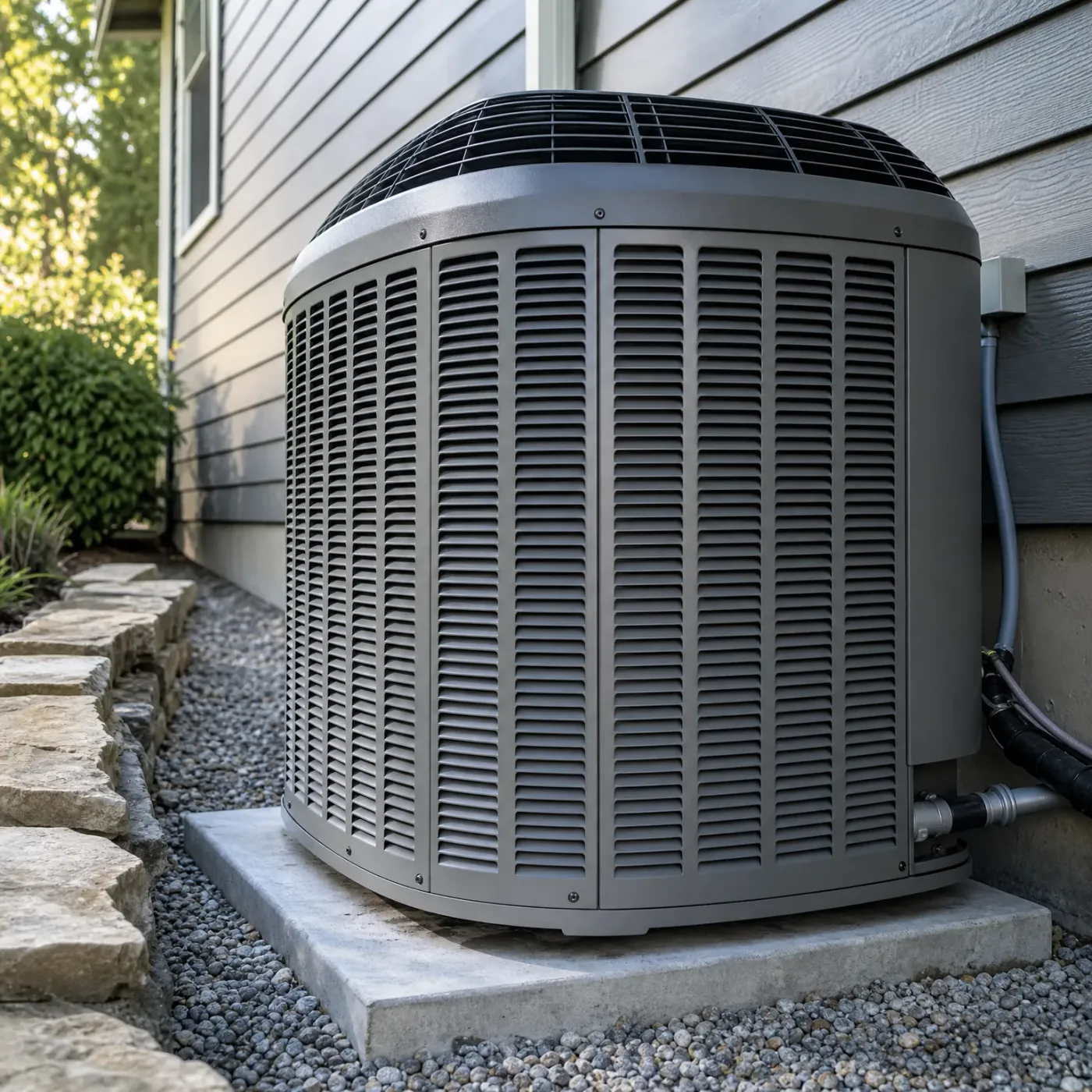
Your air conditioner is running every day right now, and if it's blowing warm air, or the outdoor unit is humming but the fan won't spin, or it shuts off a few seconds after it kicks on, the capacitor is one of the first things worth suspecting. It's a small part that gives the compressor and fan motor the push they need to start. When it weakens, the symptoms show up fast, especially on a hot South Carolina afternoon when the system is working hardest.
Some of these signs are easy to miss until the heat makes them obvious. A faint hum from the outdoor unit with no air moving. A fan that spins slowly or needs a push to get going. Clicking as the system tries and fails to start. The AC cycling on and off instead of holding a steady cooling run. Any one of these can mean the capacitor is on its way out, and in the middle of a muggy stretch, that's not something to sit on.
A bad capacitor doesn't usually fix itself and doesn't wait for a convenient day. The part either holds its charge or it doesn't, and once it starts failing, it tends to get worse, not better. Left alone, it can take the compressor down with it, which turns a small repair into a much bigger one.
This is a quick fix for someone who tests air conditioners for a living. A local contractor can check the capacitor in minutes with a meter, confirm whether that's the problem or something else nearby, and have the system running again the same visit in most cases.
Once you send the request, you're done hunting for who to call. It goes to one licensed contractor near you in South Carolina, someone who works on this equipment all summer and knows exactly what a failing capacitor looks like on a service call. No stack of quotes to sort through, no second-guessing who's reliable. Just a straight path from the problem to someone who can fix it.
A bad capacitor usually shows up as the outdoor unit humming without the fan turning, warm air coming through the vents, or the system clicking off a few seconds after it starts. Sometimes the fan starts if you give it a push with a stick, which points straight at the capacitor instead of the compressor or thermostat. The capacitor stores a charge that gets the fan motor and compressor moving, and it wears down faster in a climate that runs the system hard for months at a time the way South Carolina summers do. Heat is hard on it too, since the outdoor unit sits in direct sun pulling long hours with no real break. Once it weakens, the system either won't start or starts and strains, and strain on a hot day turns into a bigger repair fast. Catching it at the humming stage is a lot cheaper than catching it after the compressor burns out trying to run without it.




Hand off the search today
Your request goes to one pro, not a list of companies.
After this form, you can stop searching for an air conditioner pro.
You only hire the pro if you want to.
Is this what's happening at your house?
You go out to the unit and the fan isn't moving, but you can hear a hum coming from inside it. Or the air coming through your vents is warm, even though the thermostat says it's running. Maybe it short cycles, kicking on for a few seconds and shutting back off, over and over. Some people notice the outdoor unit looks swollen or bulged on top, or there's a burnt smell near it. None of these fix themselves, and running the system in that state for long can push the compressor to work harder than it should, which costs more to replace than a capacitor. In a South Carolina summer, a system stuck in that cycle also means your house isn't actually cooling while it runs.


Power costs 15.12 cents per kilowatt-hour statewide
At 15.12 cents a kilowatt-hour, every hour a weak capacitor forces your AC to work harder shows up on the bill. A compressor straining to start pulls more power than one that fires right up, and in a South Carolina summer that unit can be running most of the day.
EIA-861 2025 statewide residential average
What These Signs Add Up To
- A hum from the outdoor unit with a fan that won't turn is the clearest sign the capacitor has failed.
- Warm air at the vents while the system runs points to the compressor not getting the start it needs.
- Shutting off seconds after it kicks on means the capacitor can't hold the charge to keep it running.
- A fan that spins only after a push with a stick is a capacitor on its way out, not one that's fine.
- A capacitor forcing the compressor to strain pulls more power every hour it runs through a South Carolina summer.
- None of these signs point to a job for anyone but a licensed contractor to open the unit and test it.
A failed capacitor rarely hides. The outdoor unit hums instead of running quiet, the vents blow warm while the thermostat says otherwise, or the system shuts off almost as soon as it starts. Any one of these on its own is worth a call. All of them together mean the capacitor has already given out and the compressor is either not starting at all or starting under strain it shouldn't have to handle. That strain matters beyond comfort. A compressor that struggles to start pulls more power to do it, and in a South Carolina summer, with the unit running most days and electricity priced the way it is here, that difference adds up on the bill before the unit finally fails outright. Pushing the fan blade with a stick to get it spinning might bring a few more days out of a dying capacitor, but it's not a fix, and it's not something to rely on. What all of this points to is a straightforward repair, but one that means opening the unit, discharging and testing the capacitor, and knowing what else to check if it's not the only part that's worn. That's work for a licensed contractor, not a guess made from the side of the house. If your AC is humming, blowing warm, or cycling off too soon, the capacitor is the likely reason, and getting it looked at now is what keeps a small part from taking the compressor down with it.


Air Conditioner Repair
Hand off the air conditioner problem
The pro who reaches out is licensed in South Carolina.
