A pro who works on air conditioners
Is a two-stage AC worth it in South Carolina
A two-stage AC runs on low most of the time and only kicks up to full power on the hottest days, which matters when summer humidity sticks around for months. Whether that extra cost pays off depends on your home, your current system, and how it's set up to run. Answer that below, then get matched with a contractor who can look at your specific situation.
Get matchedYes, for most houses here. A two-stage AC runs on its low setting almost all the time and that low setting is built to pull moisture out of the air, not just drop the temperature fast. South Carolina summers stay muggy for months, and a single-stage unit cools the air quickly, shuts off, and leaves a lot of that humidity behind. The low stage on a two-stage system runs longer and slower, which gives it time to wring the water vapor out as it goes. That's why the air feels different in a house with one, even at the same thermostat setting. It also means the system spends less time cycling on and off, so the temperature in the house stays steadier room to room. Where it matters less is a small house or one with a simple layout, where a single-stage unit already keeps up fine. For a bigger house, or one where some rooms always run warmer than others, the difference is easy to feel.


A single-stage compressor only knows one speed. It runs full blast until the thermostat is satisfied, then shuts off. That's fast cooling, but the coil doesn't have much time to work on the moisture in the air before the system quits for a while. A two-stage compressor has two fixed levels built into it, low and high, and it spends most of its time on low. At that lower output, the blower moves air across the coil slower, and air that moves slower across a cold coil gives up more of its moisture. The system only shifts to high when low can't keep the house at the set temperature, which tends to happen on the hottest afternoons. The rest of the time it's running longer, gentler stretches instead of short hard bursts. In a house that gets humid for months at a stretch, that difference in how the air moves over the coil is what separates a room that feels cool from one that feels cool and dry.
Low and slow beats fast and cold
- A single-stage AC has one setting, full blast, so it cools the air fast and shuts off before it has pulled much moisture out.
- A two-stage unit's low setting runs at around 60 to 70 percent of capacity, moving air over the coil slower and longer, which lets the coil pull more water out of that air.
- The thermostat calls for high stage only when the low setting can't keep up, usually on the hottest afternoons.
- Because the low setting runs longer stretches, the blower moves at lower speeds more often instead of cycling on and off.
- Shorter, harder runs from a single-stage unit cool the room but leave more humidity behind than a longer, slower run does.
- The compressor in a two-stage system has two fixed output levels built in, not a dial, so it's either on low, on high, or off.
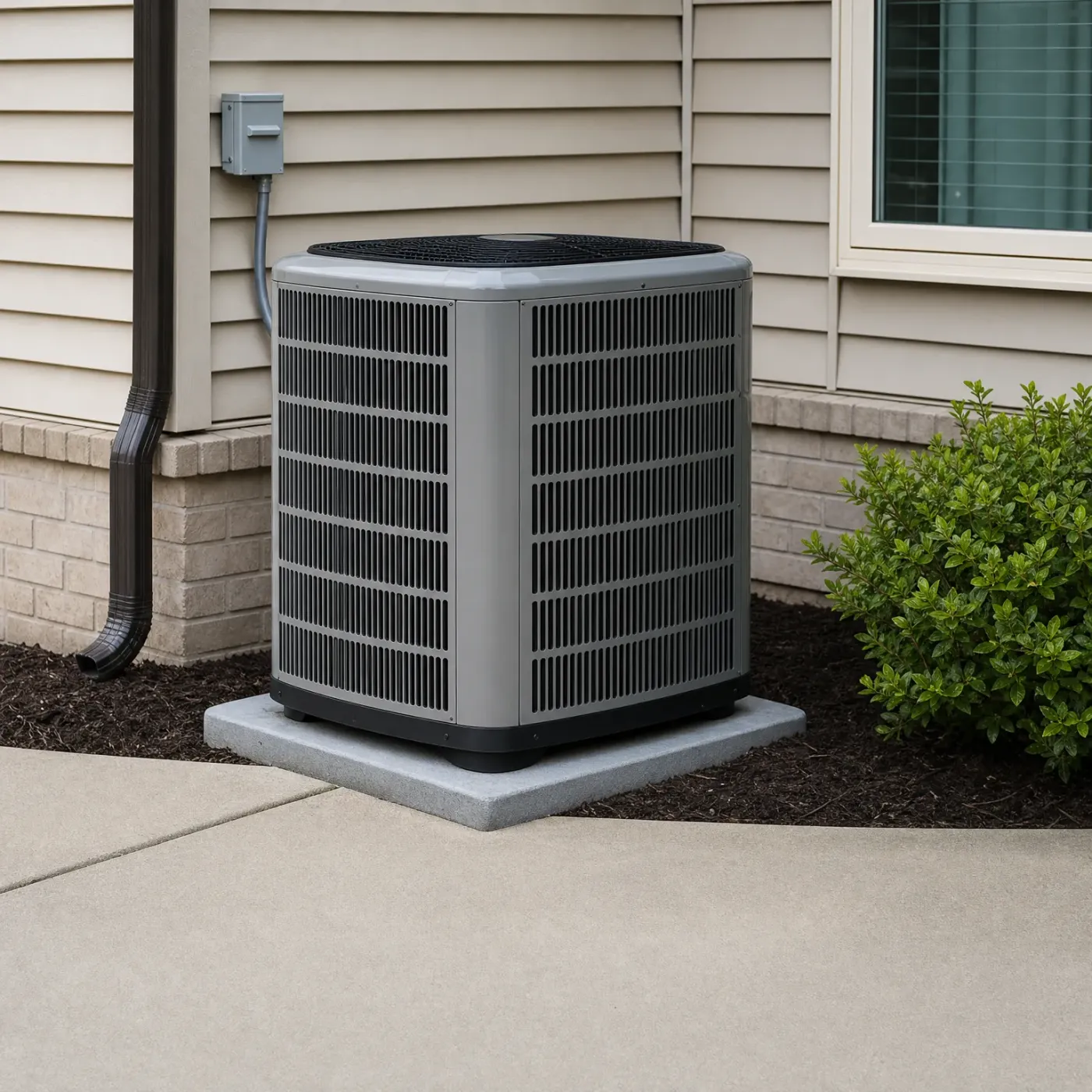
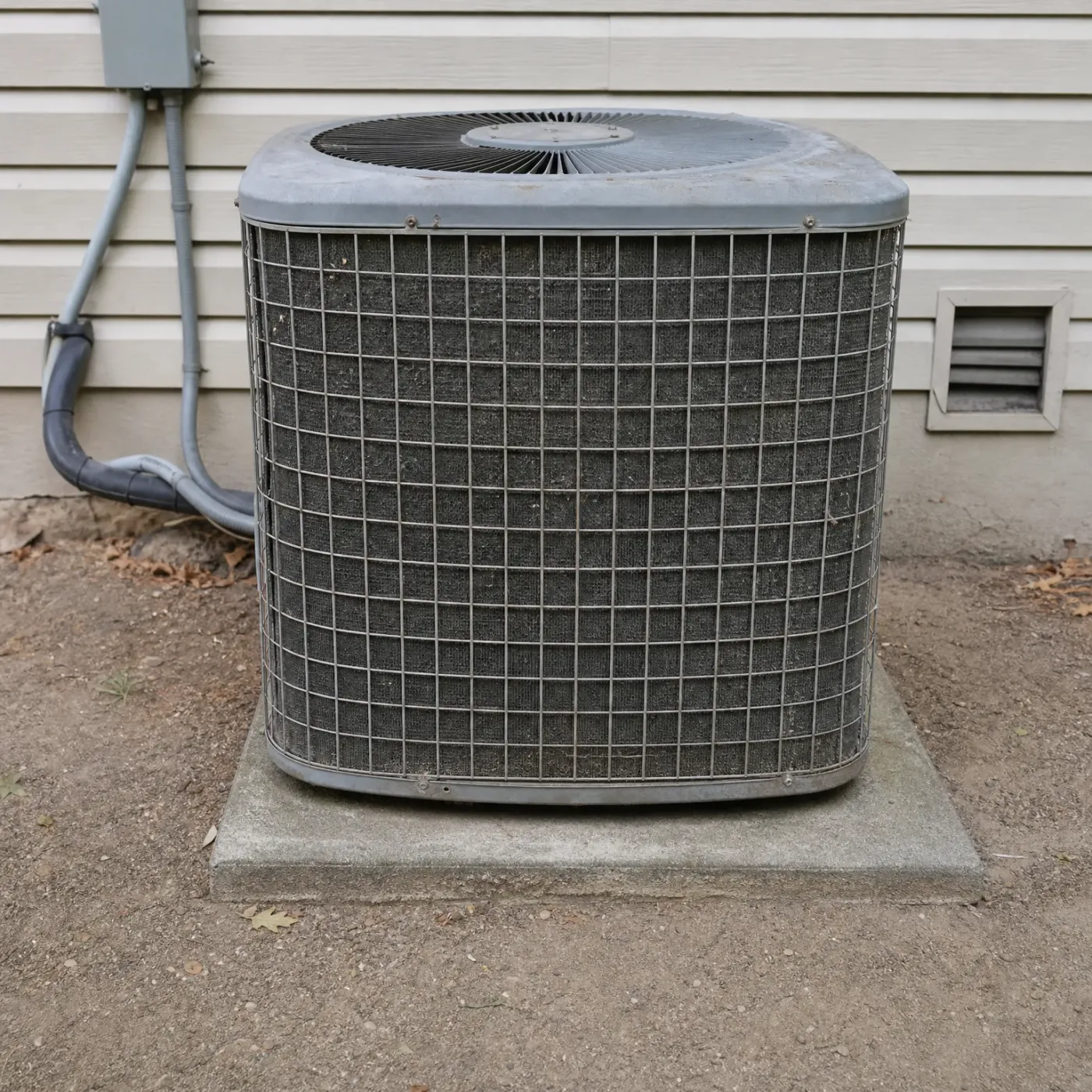
Single-Stage vs Two-Stage AC
Single-stage
- Costs less to install than a two-stage unit of the same tonnage.
- Runs at one speed, so the blower and compressor are simpler and have fewer parts that can fail.
- Cools a room down fast, which feels good right after you walk in from outside.
- Cycles on and off more through a South Carolina afternoon, since full blast satisfies the thermostat quickly.
- Leaves more humidity behind after each cycle because the coil isn't exposed to air long enough to wring much moisture out.
- Runs louder when it's on, since every cycle is at full capacity.
Two-stage
- Costs more upfront than a single-stage system of the same size.
- Spends most of its runtime on the low setting, so it's quieter day to day.
- Pulls more moisture out of the air during those long low-speed runs, which matters through a South Carolina summer.
- Switches to full power on its own on the hottest days, so you still get the fast cooling when you need it.
- Keeps the house at a steadier temperature instead of swinging between cold bursts and off cycles.
- Needs a thermostat and ductwork set up to work with two stages, which not every home already has.


Get your air conditioner to the right pro
Send the form and stop researching installers for the new air conditioner.
A local installer who puts in air conditioners gets your project.
Asking costs nothing, and the choice to hire stays yours.
How does a two-stage AC actually run different from a regular one?
You've seen the sales pitch about two-stage systems running quieter and longer, but that doesn't explain what's actually happening inside the unit. You want to know the mechanics of it, the actual difference in how the compressor and blower behave, not just the marketing version of why it's better for humidity.
It changes compressor speed, not just fan speed
A single-stage compressor has one setting. It either runs at full capacity or it's off. A two-stage compressor has two fixed speeds built into it, and a control board decides which one to use based on how far the indoor temperature is from your thermostat setting. On a normal day it stays on low, moving refrigerant through the coil at a slower rate. That slower rate gives the coil more time in contact with the air passing over it, which is what pulls moisture out. The compressor only shifts to high when the house is a long way from the set temperature, like after you've had the door open or the thermostat was bumped up a few degrees. The blower motor usually steps up with it, running slower on low and faster on high.
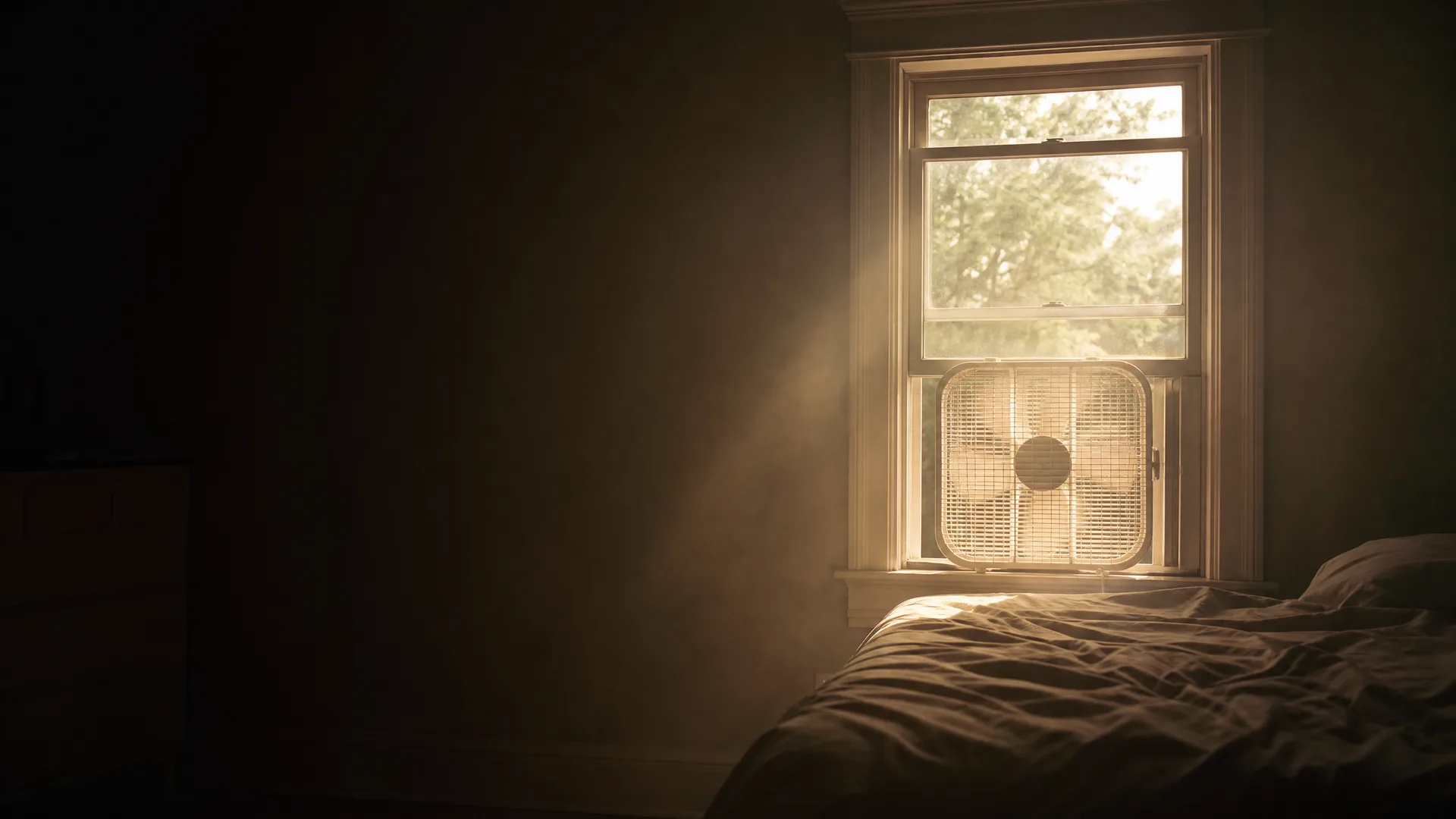
It's past eight and still bright out, that long June evening light. You're upstairs and the room hasn't let go of the day's heat. The box fan is going in the window, pushing around air that's thick enough to feel. You can hear it cycle, that low hum, but it isn't doing much besides moving the heat from one side of the room to the other. The sheets feel damp before you've even gotten under them. Downstairs the AC kicked off twenty minutes ago, the thermostat satisfied, but up here it never caught up. You lie there sticky, waiting on the next cycle to start.
Power costs 15.12 cents per kilowatt-hour statewide
At 15.12 cents per kilowatt-hour, your AC's electric use shows up fast on the bill. A two-stage unit spends most of its time on that low setting instead of pulling full power over and over, so each cycle draws less. Over a long South Carolina summer, that difference adds up every month.
EIA-861 2025 statewide residential average





So is it worth it
For most houses in South Carolina, yes. A two-stage AC spends the bulk of the summer on its low setting, pulling moisture out of the air the whole time it runs, and that's the thing a single-stage unit can't do. If you've kept this house running well and plan to keep doing that, the extra cost up front buys a system built for exactly the kind of summer you get here.
Whether it's the right call for your house still depends on your ductwork, your current unit, and a few other things only someone standing in front of your system can check. That's the next step. A form here gets you matched with a contractor who looks at your specific setup and reaches out to walk through it with you. Once that's sent, you're not the one tracking down who can do the work anymore.

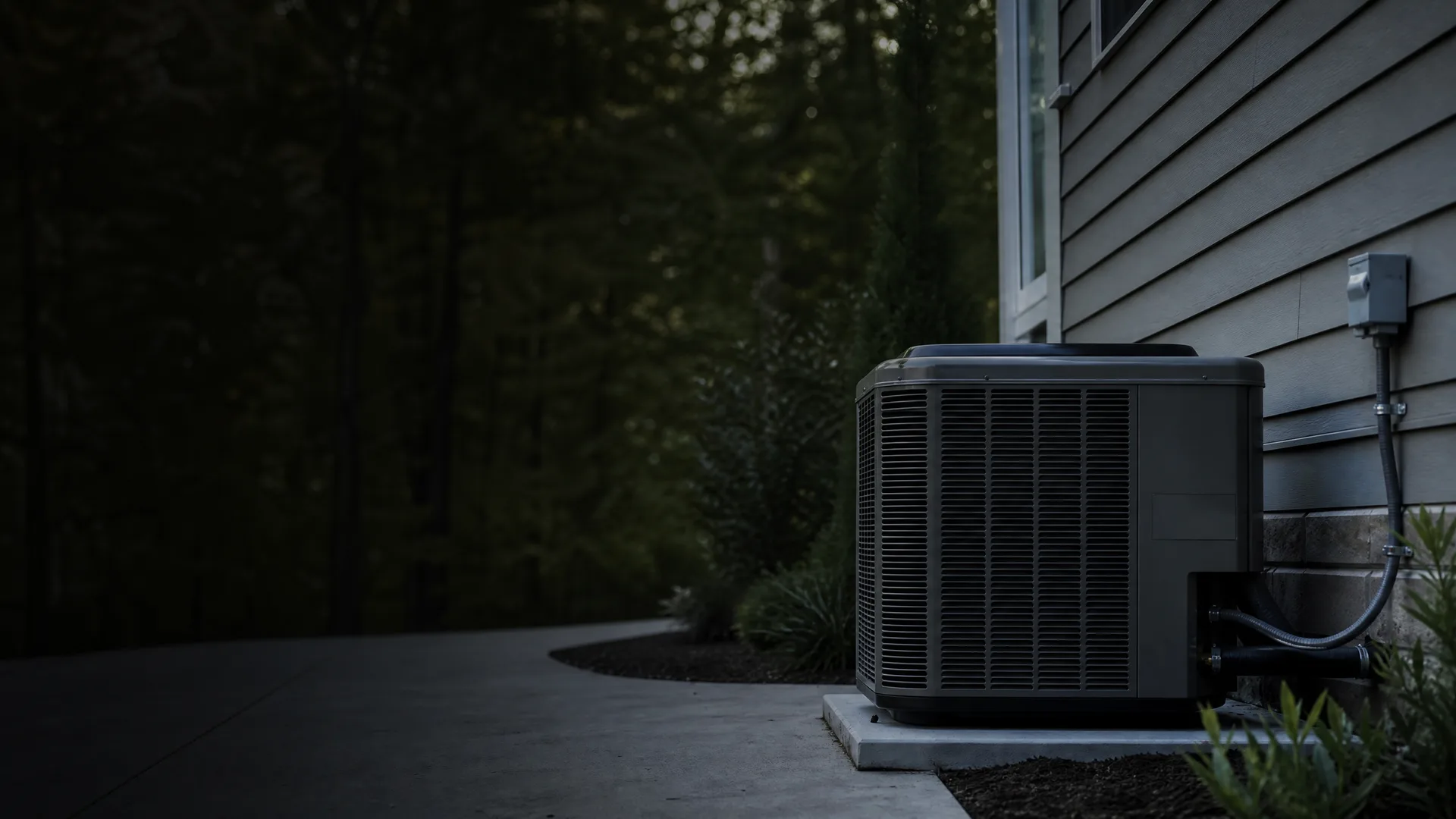
The right pro for this job
One request ends the search for an air conditioner installer.