Tell us about the job
Takes about a minute. No obligation.
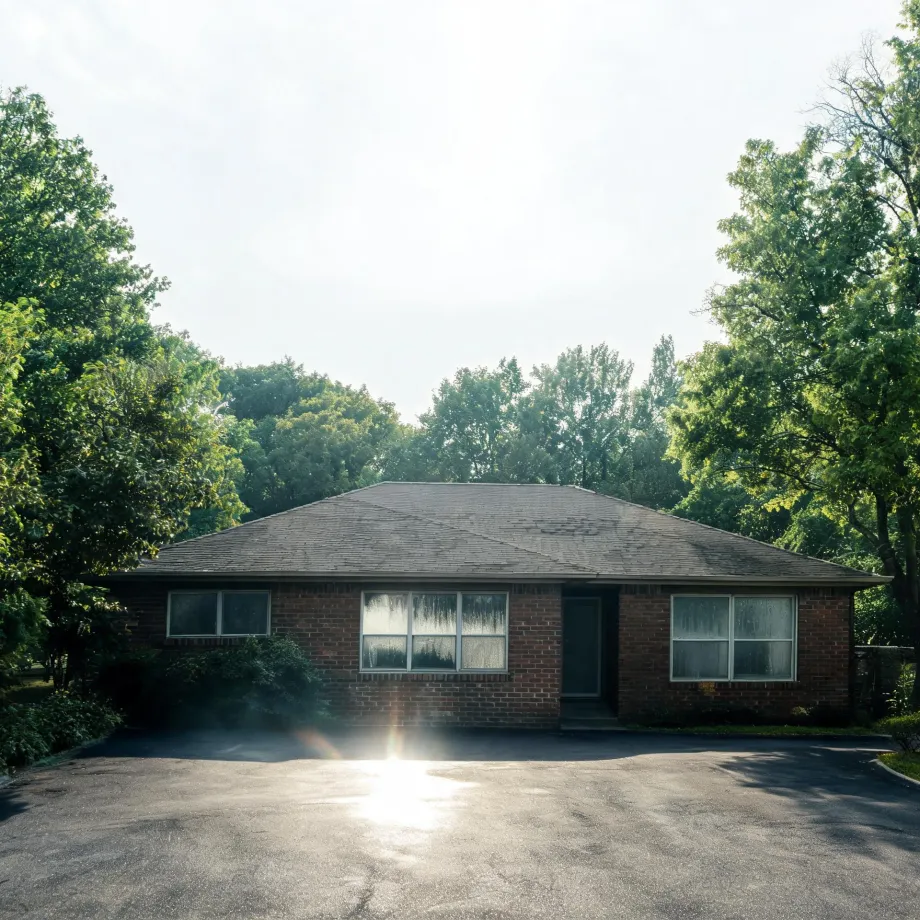
Homes in McCormick County, SC run cooling about five months a year, from May through September. That much runtime lands hardest on the compressor and the condenser fan motor, the parts that cycle on and off every time the house calls for cooling. A contractor diagnosing a fault here checks those components before anything else, because they absorb the bulk of the wear a full cooling season produces. Refrigerant charge, contactor condition, and fan capacitors follow close behind for the same reason.
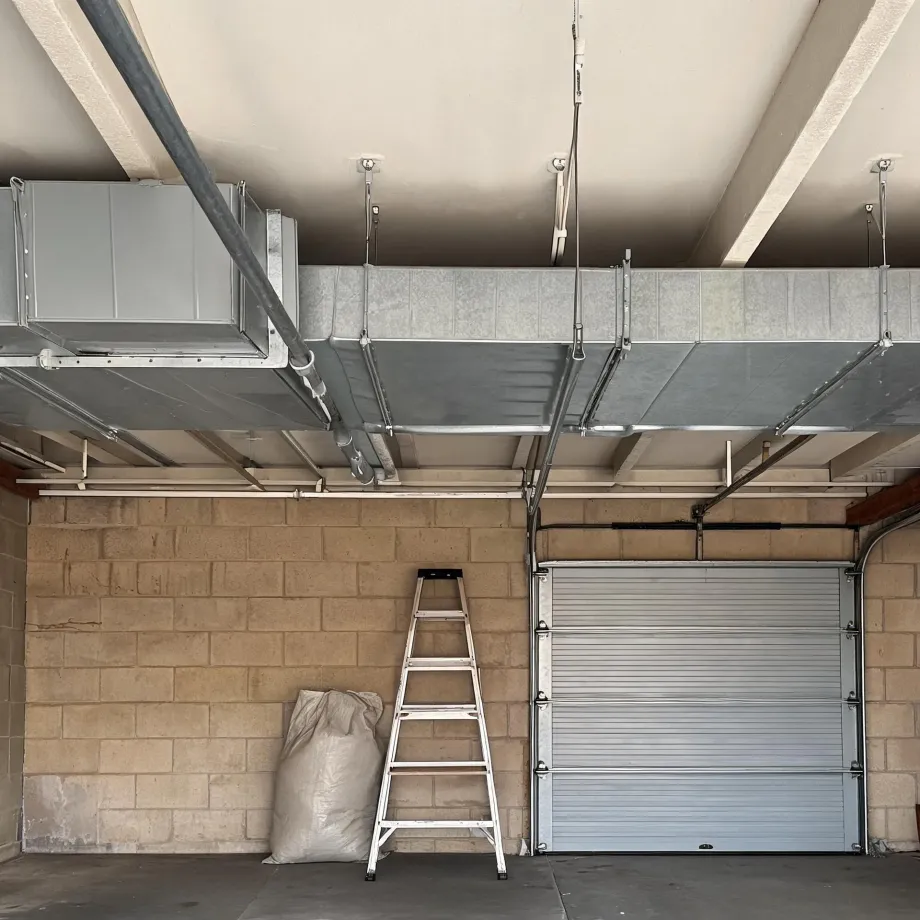
Ductwork in a house runs for decades, but the AC unit inside it turns over sooner, and that gap is where repair jobs get complicated. Half the homes in McCormick County, South Carolina were built in 1987 or earlier (2020-2024 ACS 5-year). A system old enough to have been the second or even third unit in a house of that age may use components that manufacturers have phased out, which means a contractor who opens the equipment has to confirm part availability before quoting a repair, not after. Refrigerant lines, contactors, capacitors, and expansion valves tied to discontinued specifications can turn a straightforward fix into a sourcing problem.
The Parts of a Central AC a Contractor Checks First
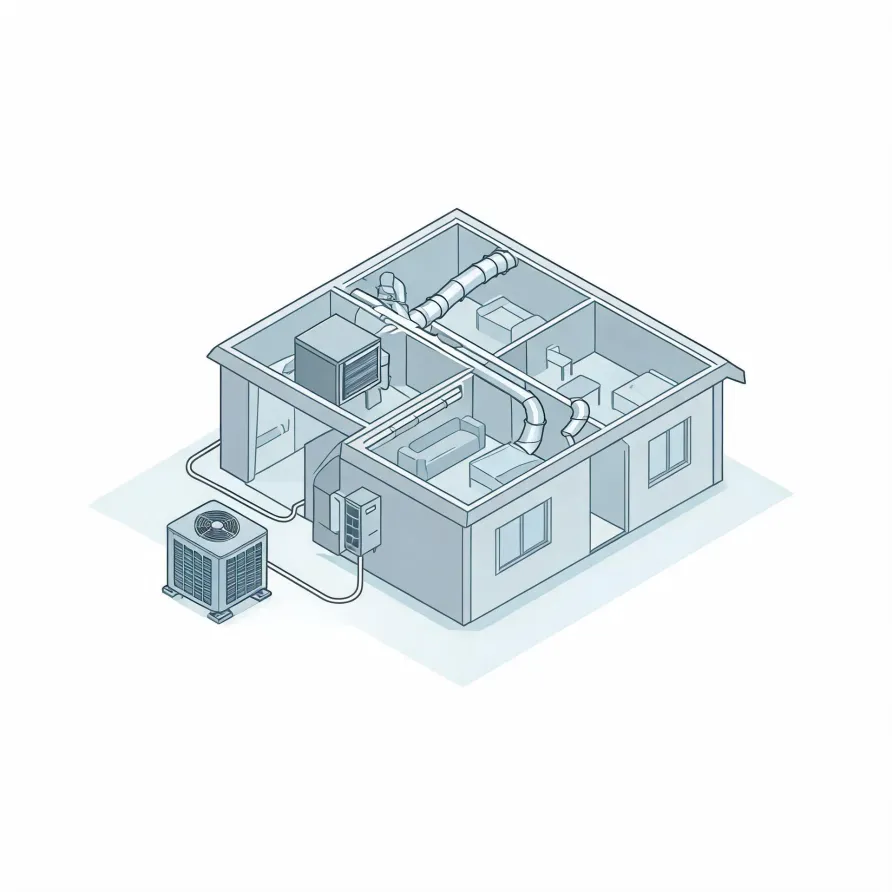
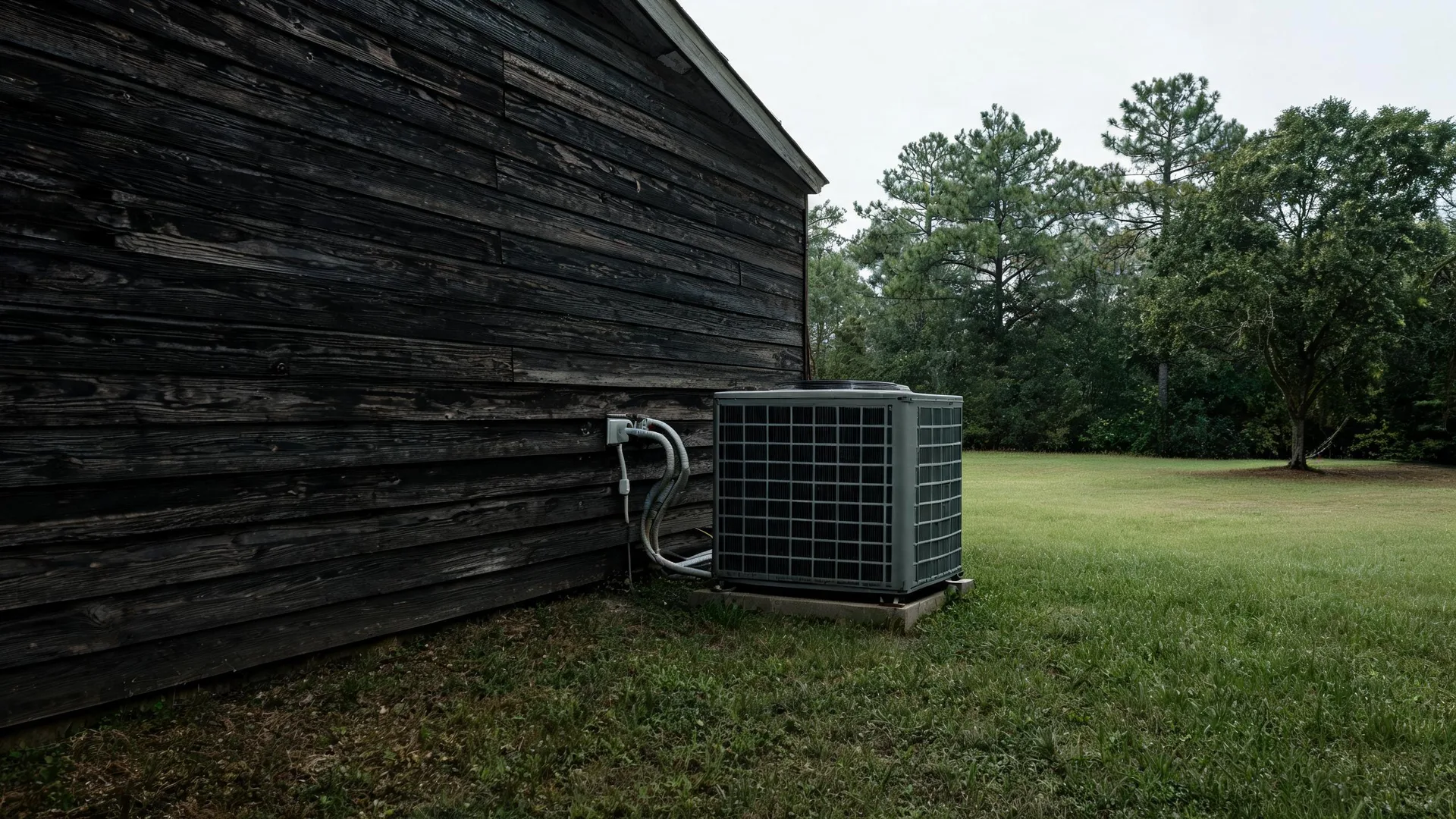
The outdoor condenser unit sits on a pad beside the house and is usually where a contractor starts. The condenser coil, fan, and compressor all live inside that cabinet, and a fault in any one of them shows up as a system that runs but does not cool, or does not run at all.
Inside the house, the air handler holds the evaporator coil and the blower. The evaporator coil is a common source of trouble when the system blows warm air or produces ice, and the blower is what a contractor examines when airflow across the house is uneven. The refrigerant lines that connect both units and the thermostat that signals the whole system are also part of what gets checked.
The drawing shows a typical central AC layout, and a licensed contractor determines which components apply to the specific system in your house.
Get matched in McCormick CountyMcCormick County, SC, by the numbers
76 severe weather events were recorded in McCormick County, South Carolina between 2015 and 2024.
NOAA National Centers for Environmental Information, Storm Events Database, bulk CSV export, events 2015-01-01 through 2024-12-31.Half the homes in McCormick County, South Carolina were built in 1987 or earlier (2020-2024 ACS 5-year).
U.S. Census Bureau, 2020-2024 American Community Survey 5-Year EstimatesMcCormick County, South Carolina holds 5,675 housing units (2020-2024 ACS 5-year).
U.S. Census Bureau, 2020-2024 American Community Survey 5-Year EstimatesOwners occupy 87.9% of the occupied homes in McCormick County, South Carolina (2020-2024 ACS 5-year).
U.S. Census Bureau, 2020-2024 American Community Survey 5-Year EstimatesCodes & Standards Governing Central AC Repair in McCormick County, South Carolina9 sourced rules and standards
What HVAC Repair Looks Like in McCormick County
Split-system central air conditioners rated below 45,000 Btu/h manufactured on or after January 1, 2023 must meet a federal minimum of 13.4 SEER2.
Split-system central air conditioners rated at or above 45,000 Btu/h manufactured on or after January 1, 2023 must meet a federal minimum of 13.4 SEER2.
Split-system central air conditioners manufactured between January 1, 2015 and December 31, 2022 had to meet 13 SEER, the metric that preceded SEER2.
Single-package central air conditioners manufactured on or after January 1, 2023 must meet a federal minimum of 13.4 SEER2.
Space-constrained central air conditioners manufactured on or after January 1, 2023 must meet a federal minimum of 11.7 SEER2.
Federal efficiency standards for split-system central air conditioners and heat pumps are set on each certified combination of outdoor unit and indoor coil rather than on the outdoor unit alone.
Residential and light commercial air conditioning and heat pump systems assembled in the field, including mini-splits and unitary systems, may not be installed on or after January 1, 2025 using a refrigerant with a global warming potential above 700.
A field-assembled system whose specified components were all manufactured or imported before January 1, 2025 carries no installation compliance date under the refrigerant restrictions and may still be installed.
Licensing and Legal Requirements in McCormick County, South Carolina
South Carolina requires a mechanical contractor license for contracting work whose total cost of construction is greater than ten thousand dollars.
Severe Weather Events in McCormick County by Year
Storm activity puts hours on HVAC equipment long before a system would otherwise need attention. How much of that load your unit carries depends on what the weather does where it sits, which is what makes repair decisions in McCormick County different from anywhere else.
76 severe weather events, 2015–2024. Source: NOAA National Centers for Environmental Information, Storm Events Database.